
We opened the kitchen.
Everything on this site rests on one thing: how it reads a garment.
Open one product and get its closest visual matches back. That match is the smallest thing this engine does — and the foundation every curated service on this site is built on. So we opened the kitchen. On this page: the model that reads the garment, the data it learned to see from, and why the same eyes can read the street.
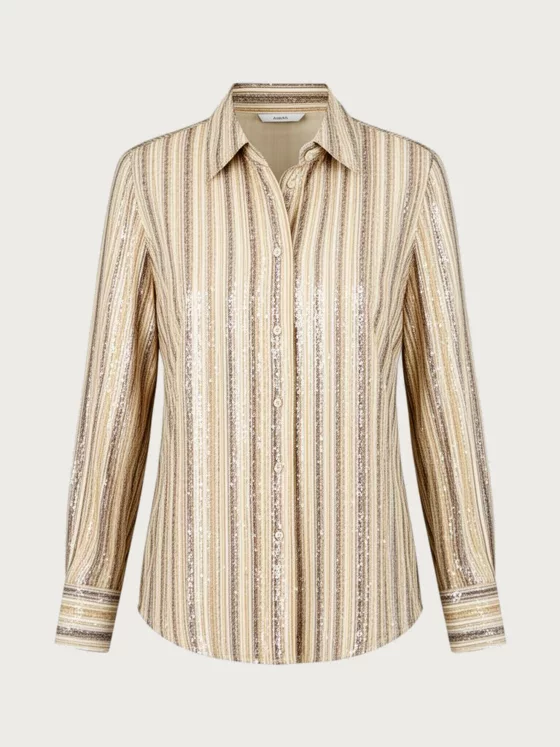
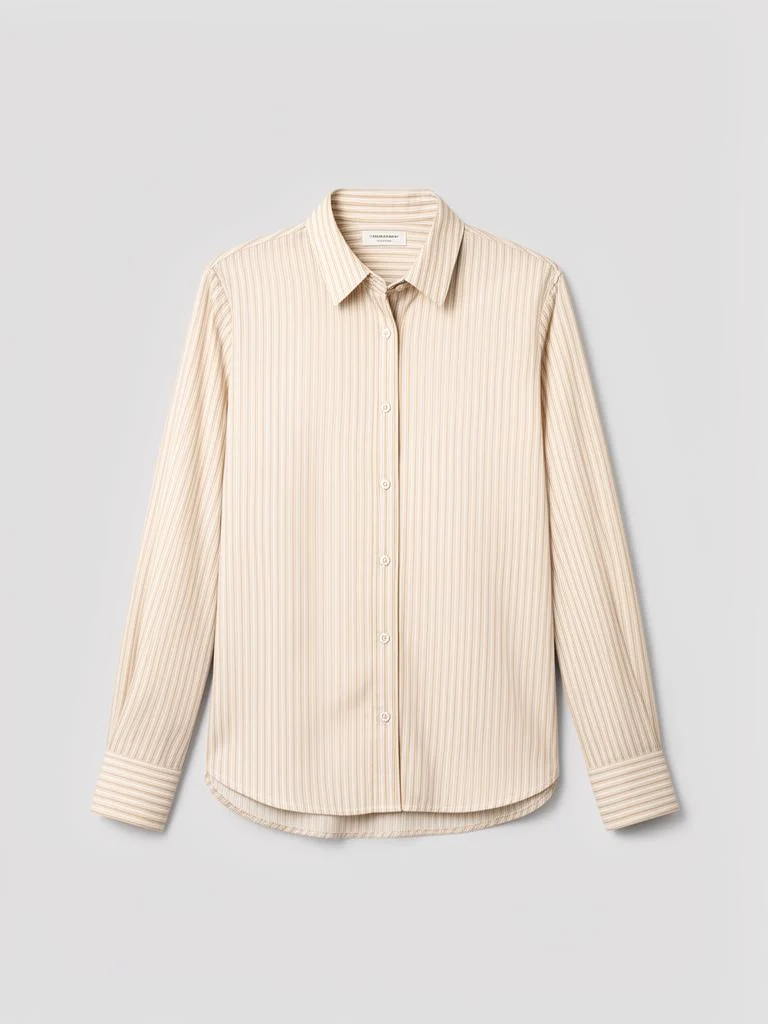
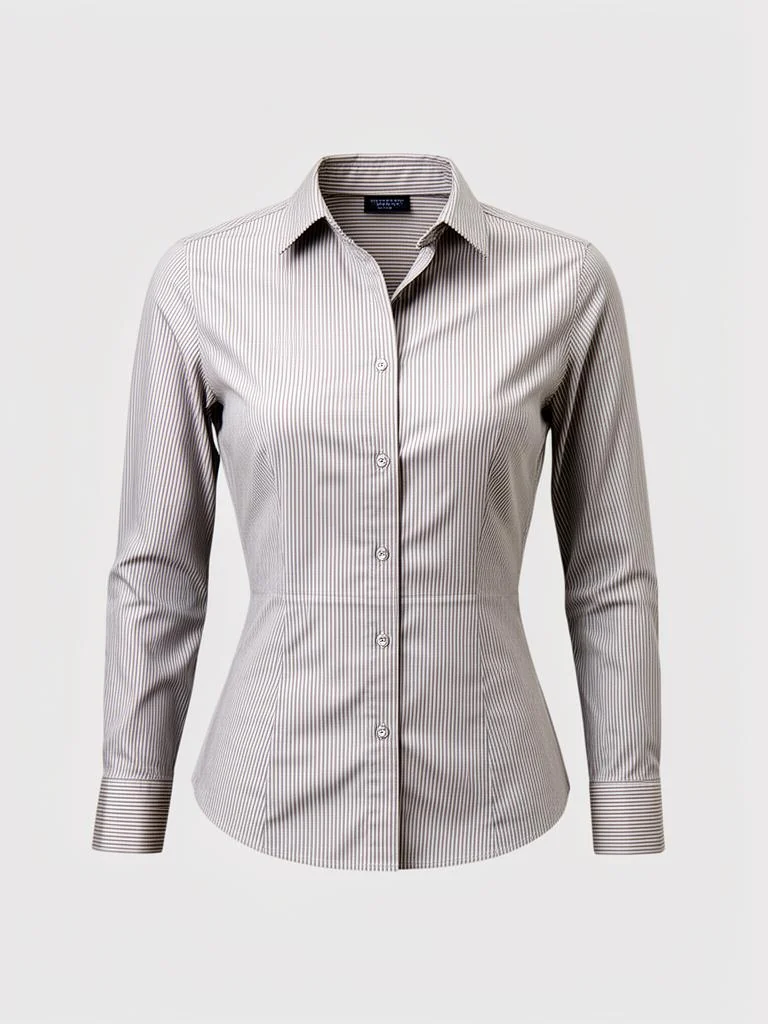
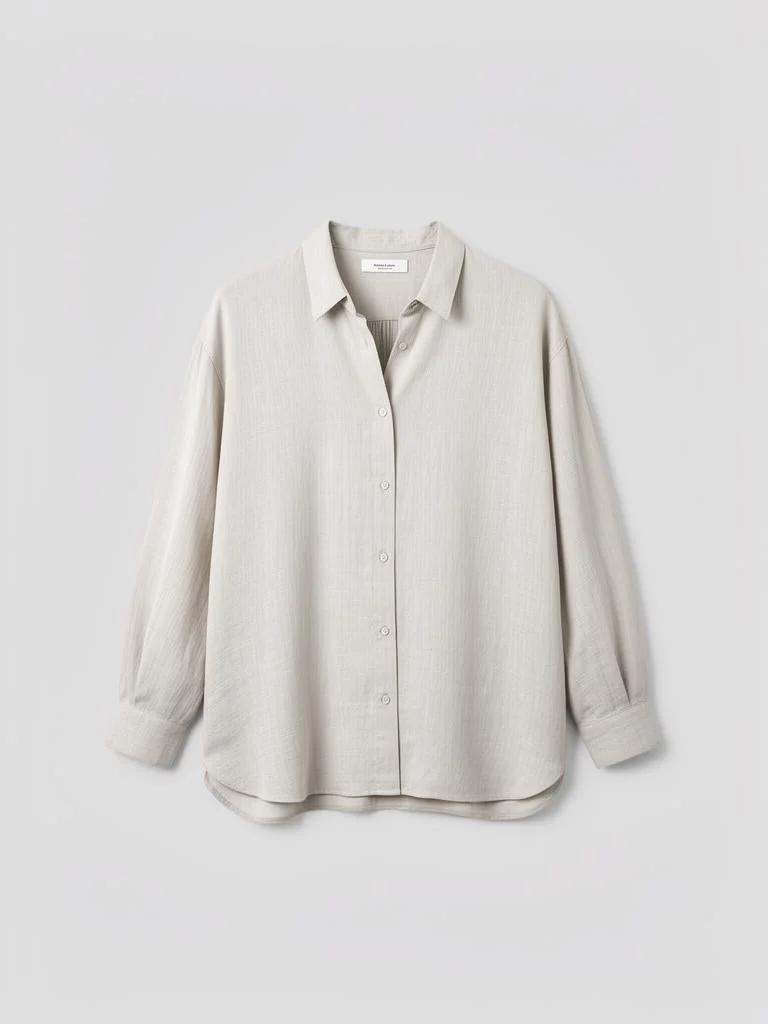
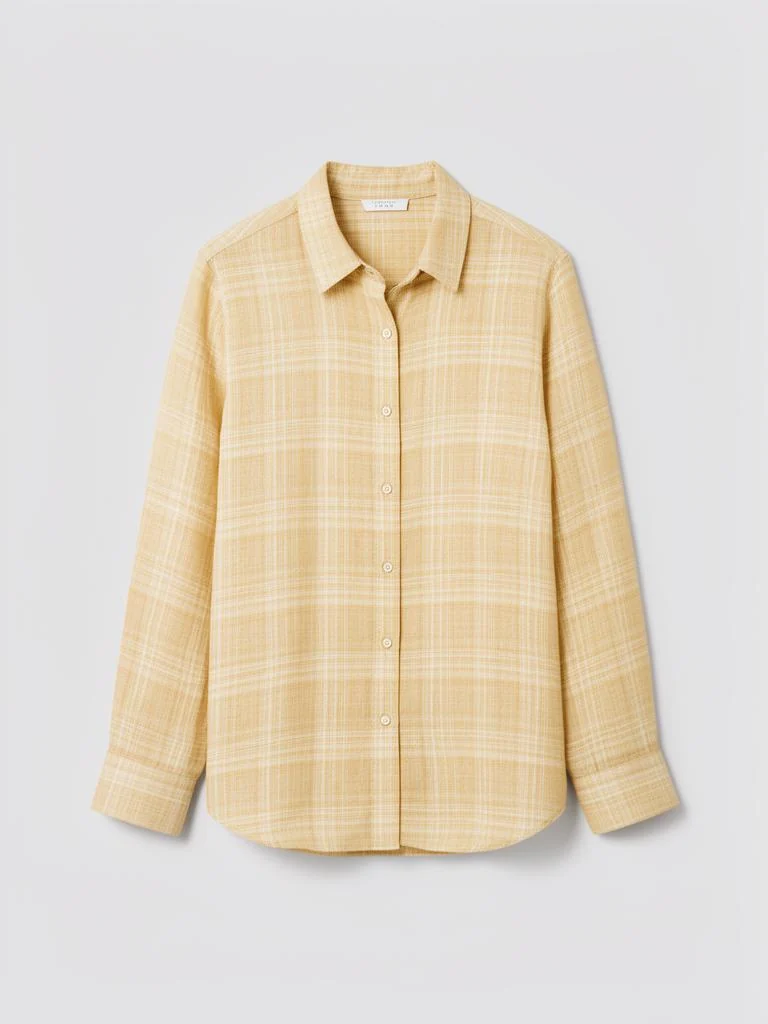
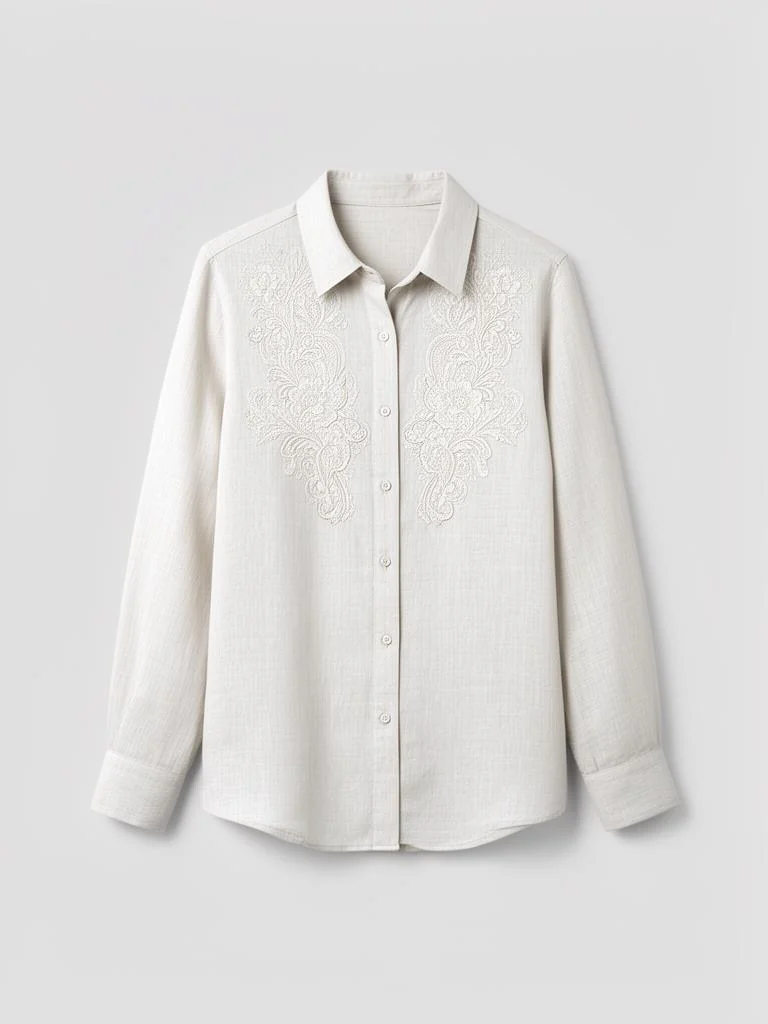
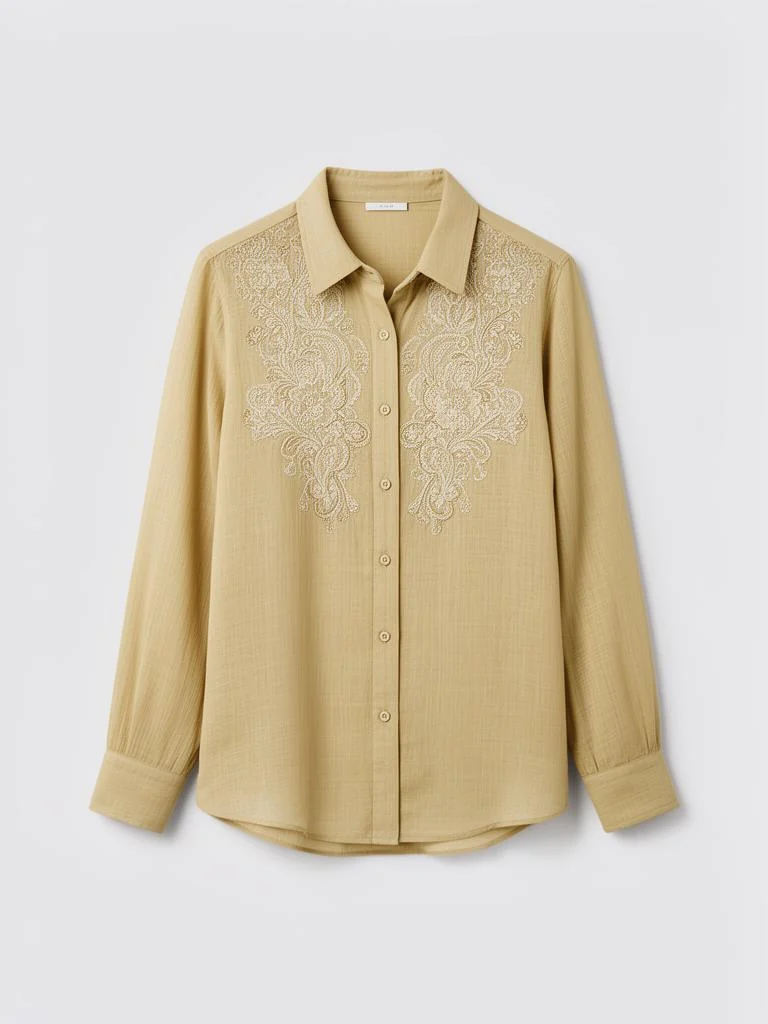
Open this striped shirt and the engine’s 17 nearest pieces come back — its own neighbours, in its own rank order. More Like This — that one behaviour, replayed offline below on our own demo catalogue.
1 · It reads the garment itself
Your merchandisers tagged none of the feed below. The engine just looked at it.
Open a product and the engine returns the pieces it reads as visually closest — its own nearest neighbours, in its own rank order, served instantly from a precomputed index. No keyword a merchant typed, no tag someone bolted on. It looks at the item and finds its neighbours. The index behind it is over 600 GB, more than 90 million precomputed rows, so the answer is already waiting when the product opens.
More Like This — open a product, get its closest visual matches. This is the whole nearest‑neighbours feed for one shirt, replayed offline from the engine’s own rows — 17 pieces, in the engine’s own order, not one re‑sorted by us.
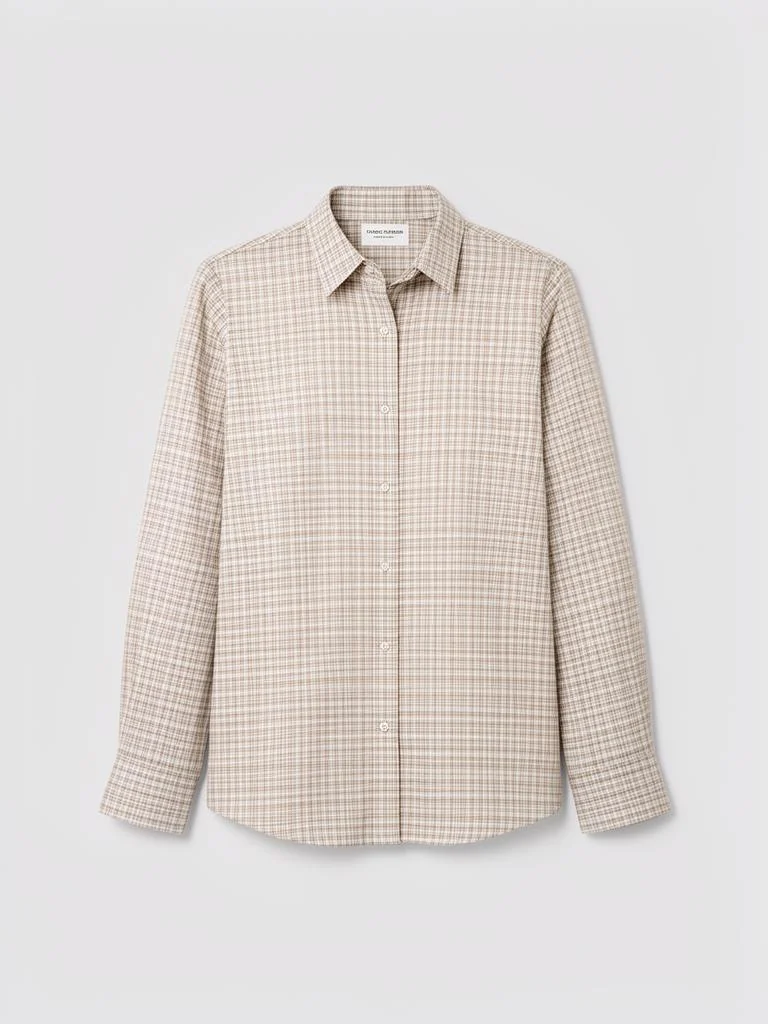
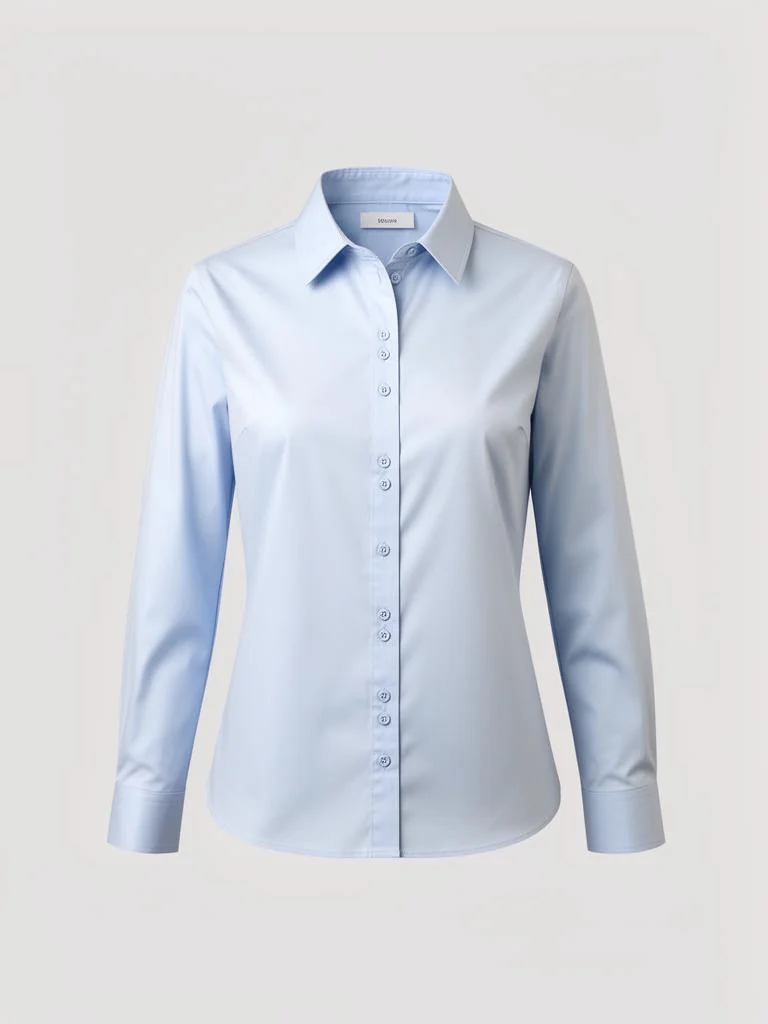
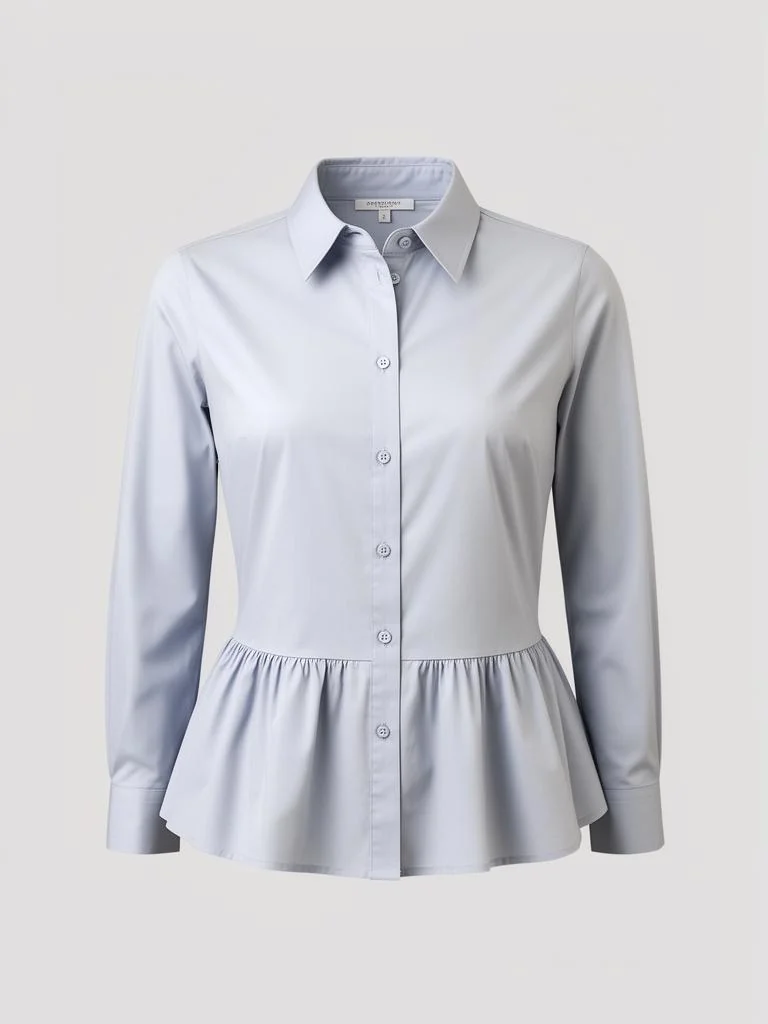
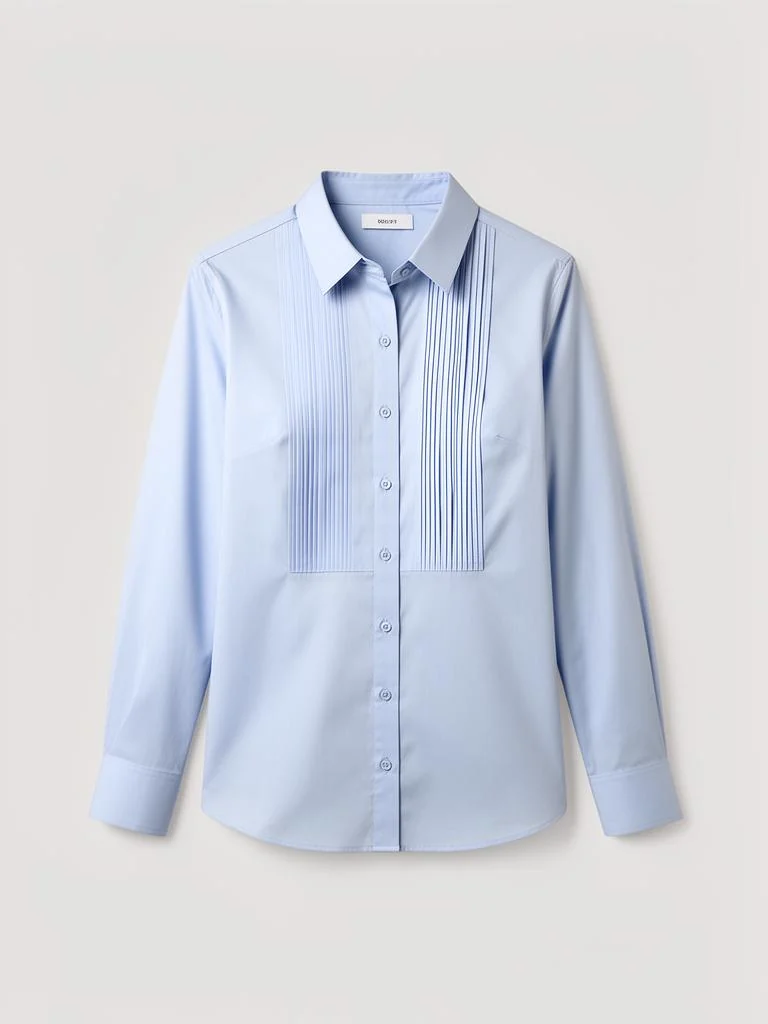
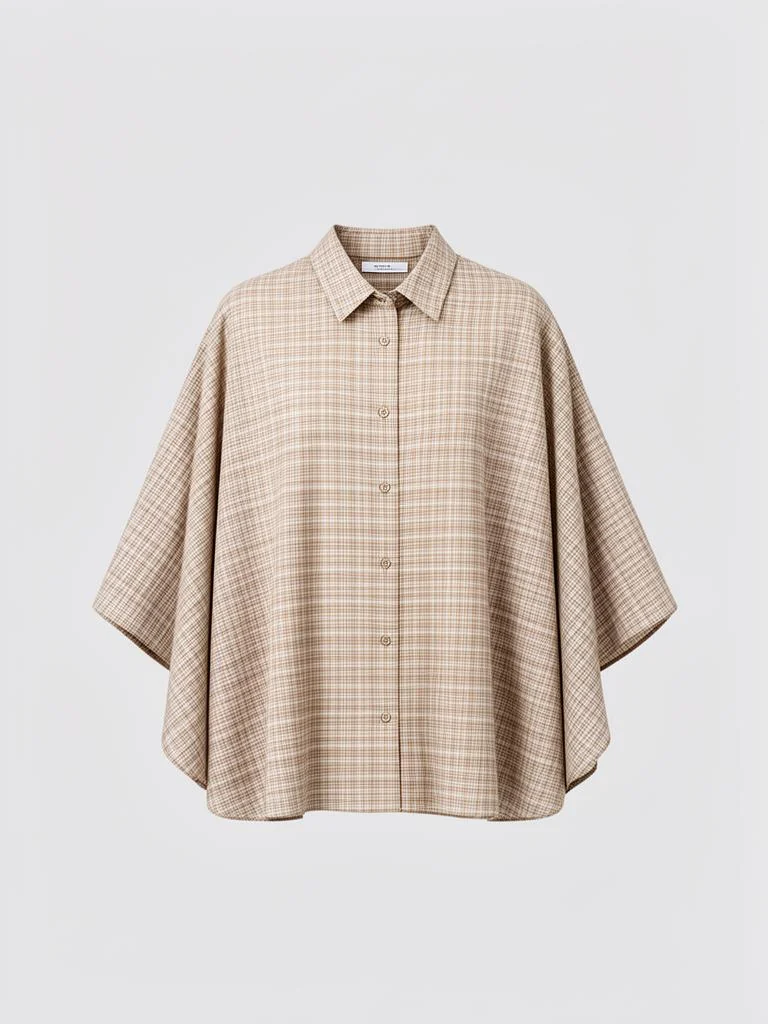
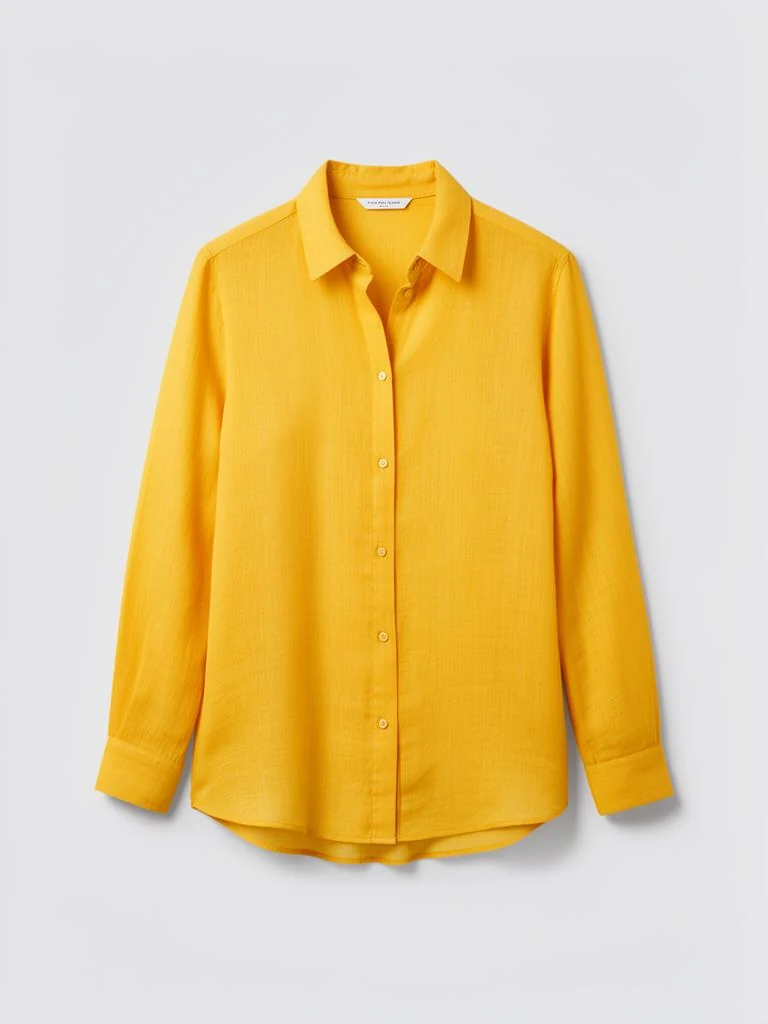
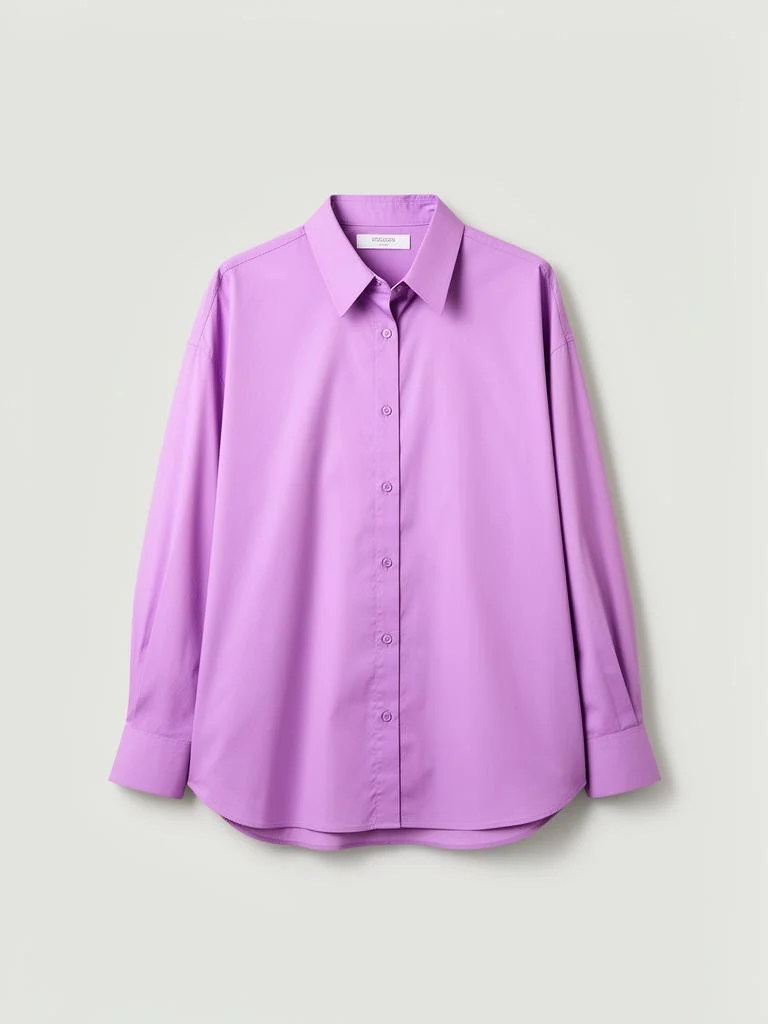
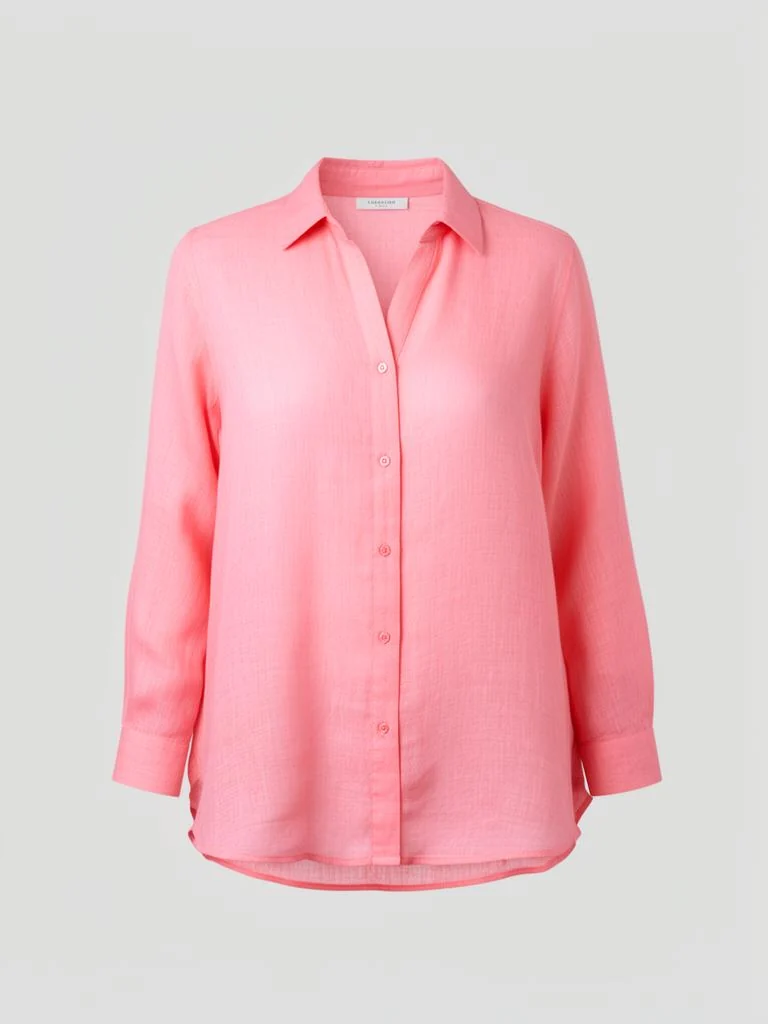
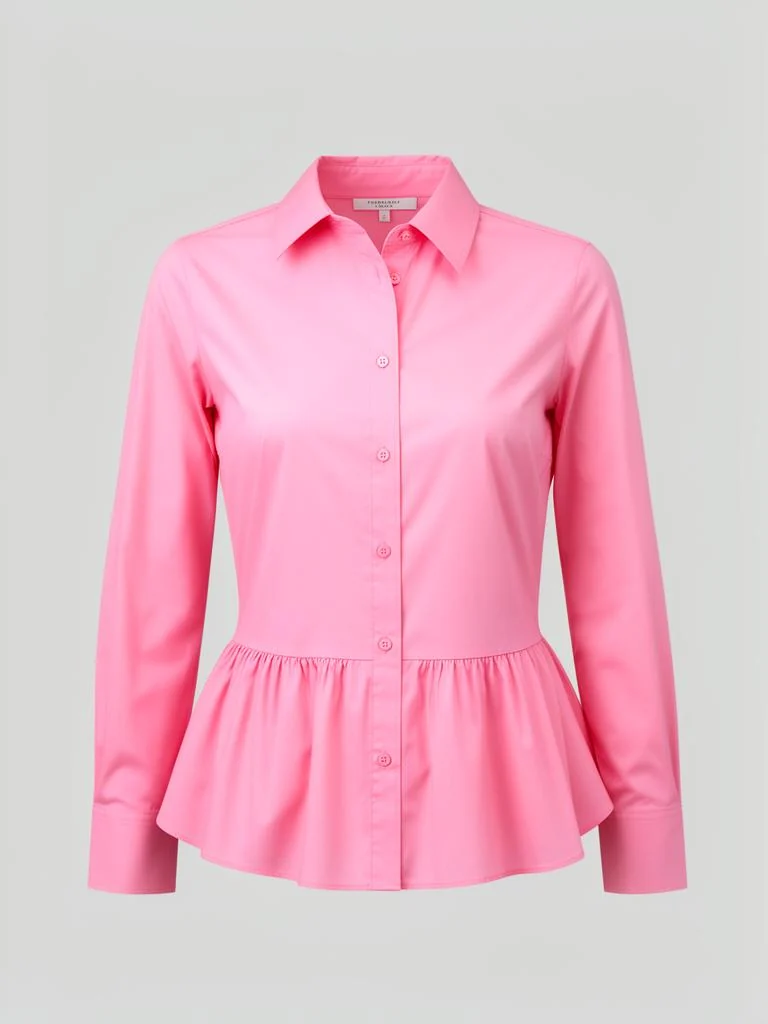
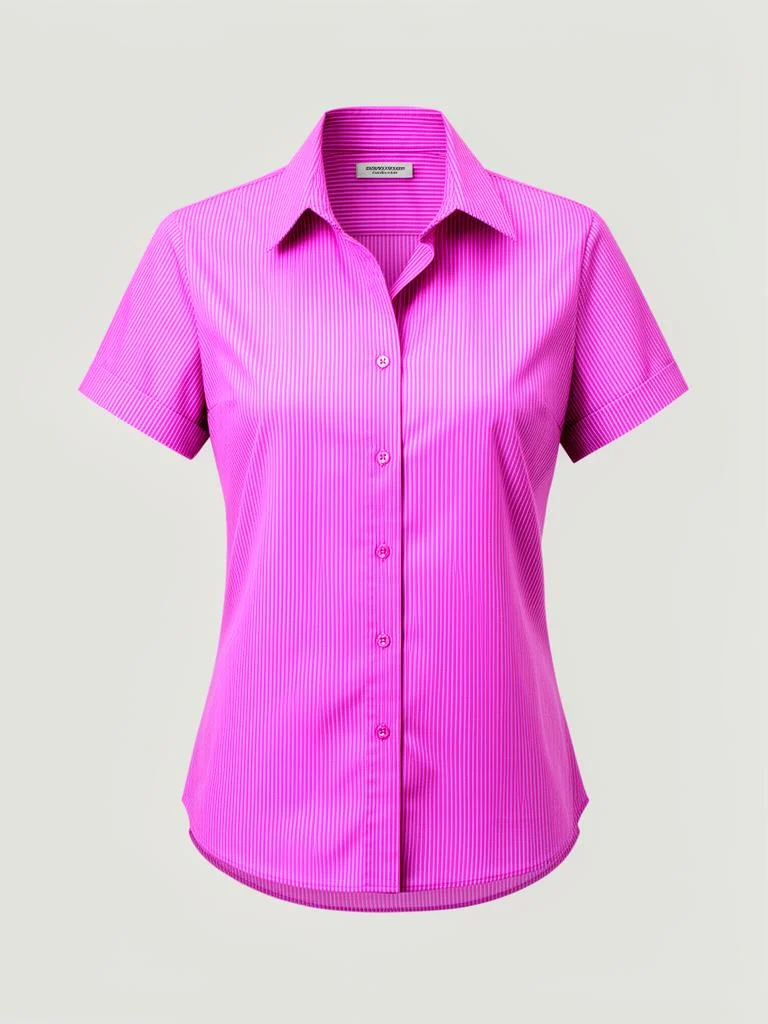
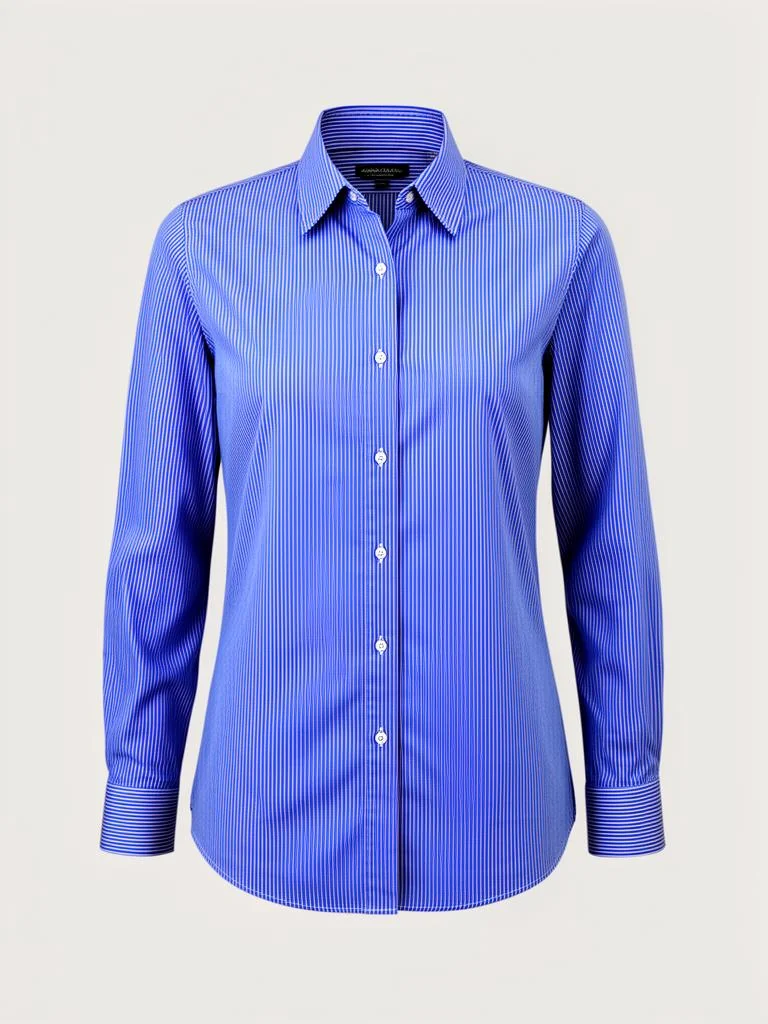
Open a skirt instead and the feed is skirts; open a shirt, it is shirts. Every anchor returns its own kind — that is the one behaviour, replayed here on our own demo catalogue.
bunsarSimilar productsthe engine’s own orderserved from a precomputed indexreplayed offline — not a live call
2 · It can only match what we taught it
It can only match what we taught it to see — so we taught it a lot.
Every match rests on models we train ourselves, on data we annotate ourselves: 73 trained classifiers across more than 12,000 classes, and a 400‑attribute taxonomy with more than 16,000 attribute values. Our own detectors do the labelling at volume — that part is compute, and compute can be rented. The part underneath is not: since 2016, eleven annotators have outlined more than 1.1 million objects by hand — close to 6,000 operator‑days of it. That part cannot be bought, and it cannot be run overnight. Point the engine at a new catalogue and there is no tagging pass to run first — it already knows what it is looking at.
Honest edge, said plainly
The raw visual and text backbones are industry‑pretrained; what is ours is everything on top — our detectors, our attribute heads, our fashion classifiers and our similarity metric, trained on our own labeled data. We do not claim a foundation model built from scratch; we claim the fashion intelligence built on top of one.
3 · Once is not the same as every day
Understanding a catalogue once is one kind of work. Doing it every day, a million times over, is another.
Both are real work and they are not the same work. A system built to answer almost any question has to take a fresh turn for each product it is asked about; that is what makes it able to answer almost any question. Ours was built the other way round — one small model, one fixed input, one pass, with class, attributes, angle and colour read together. The whole thing is 194 MB and it runs in batches on our own hardware, which is what makes a million images a month routine rather than an event. In the last twelve months it read more than 11 million catalogue images. That is not a capacity record; it is what the work weighs when it runs every day.
So the promise is a narrow one, and it is the one we can stand behind: accuracy high enough to trust, no obvious mistakes, volume that stays ordinary, and a path we control — the core vision models run on our own hardware, and there is no per‑image call to anyone else anywhere in the classification, embedding or search path. It is not left to settle, either: accuracy is measured for every single class and every attribute value, and that measurement is fed back into training as weight — so the model spends most of its training exactly where it is worst.
Where it is weakest, said plainly
Attributes are not read as evenly as classes: across 61 attributes and 279 values it averages 93.38%, and the weakest single attribute — sequin — sits at 78.67%. The errors it does make sit where the line is genuinely thin: of 277 clothing errors in that test, 184 were a top read as outerwear, or the reverse. It is not a claim to be the cleverest model available. It is a claim to have done one narrow job the same way for long enough that there is a record worth reading. All figures measured 3 July 2025 on the model now in production.
4 · It reads the garment, not the picture
A general image search finds the same picture. This finds the same garment.
Nine layers read the garment — shape, colour, attributes, the angle it was shot from — and each one is weighted and thresholded for fashion, not for pictures in general. That is our own measure of closeness: computed on GPU, folded into that index, waiting before the shopper asks. It was designed for garments, not borrowed from a general‑purpose image search. That is the substance behind the word ‘purpose‑built.’
Why there is no closeness score here
The accuracy figures above are about what the engine reads — the class and the attributes it puts on a garment, checked against labels a person wrote. Closeness is a different question, and no percentage is quoted for it on this page, on purpose. ‘Purpose‑built’ describes how that measure is built — nine weighted layers, GPU‑computed, precomputed into the index — never a benchmark score dressed up as a number.
5 · The same eyes read the street
The same eyes that read your catalogue can read the street.
The engine reads garments, not captions — so we can point it at real looks on real people: more than 300 micro‑influencer accounts monitored, over 200 of them crawled, and more than 6 million images, weighted by engagement. Our own detectors break each look down into garment categories. That is how the trend signal gets built: from real looks, decomposed by the same model.
Honest about today
This reads looks at the garment‑category level — a garment‑category decomposition, not yet a real‑time match of each influencer look to a specific product on the shelf. And every worn image we publish is AI‑rendered and marked — never a real influencer’s photo or name.
6 · One engine underneath all of it
Everything curated is this engine, one layer richer.
Everything curated on this site — the outfits, the products, the inspiration — runs on this engine. Not a second model, not a better one. It is this same engine with outfit assembly, style grouping and caching layered on top. One engine, two audiences: the shopper sees curated looks, your team sees the decision console. Same data, same eyes. Which means the curated layer is only ever as good as the engine underneath it — so that is where the work went, and that is what you have been looking at.
What this page shows, and what it doesn’t
Open one product, get its closest visual matches back: same‑category, its own neighbours, by design. That is More Like This, not ‘what goes with this’ — the outfit question is the curated layer’s job, built on this same engine. Single‑category is the flex, not the apology: it means the match is honest. The demo above runs on our own demo catalogue.
Put it on your own catalogue.
Point it at your own range and open any product — the engine’s nearest pieces come back in colour. We’ll set up a demo on your products.
Book a demoPart of the enterprise licence — scoped to your catalogue and the modules you turn on. How pricing works ›